Innovative Business Trends Shaping the Future of Management


Embracing Digital Transformation
In today's rapidly evolving business landscape, digital transformation is not just a buzzword—it's a necessity. Companies are leveraging innovative technologies like artificial intelligence, machine learning, and big data analytics to streamline operations and enhance decision-making. These tools enable businesses to gather deeper insights, predict trends, and make more informed strategic choices.

Moreover, cloud computing has revolutionized the way organizations store and access information. By migrating to cloud platforms, businesses are achieving greater flexibility and scalability, allowing them to respond swiftly to market changes. This shift is not only enhancing efficiency but also reducing costs by eliminating the need for extensive on-premises infrastructure.
Remote Work and Collaboration
The rise of remote work has reshaped management practices across industries. With the global pandemic acting as a catalyst, companies have adopted flexible work arrangements that are here to stay. Tools like Zoom, Microsoft Teams, and Slack have become integral in maintaining communication and collaboration among remote teams.
Effective management in a remote setting requires a focus on results rather than processes. Managers are now emphasizing outcomes and deliverables, fostering a culture of trust and accountability. This shift is empowering employees to take ownership of their work, leading to increased productivity and job satisfaction.

Sustainability and Ethical Leadership
Sustainability is becoming a core focus for businesses aiming to align with consumer values and regulatory demands. Companies are implementing eco-friendly practices and striving for carbon neutrality to enhance their brand reputation and appeal to environmentally conscious consumers.
Ethical leadership is also gaining traction as organizations recognize the importance of corporate social responsibility. Leaders are expected to prioritize ethical decision-making, transparency, and inclusivity, creating a positive impact on both society and the workplace environment.

Employee Well-being and Mental Health
As the modern workplace evolves, employee well-being and mental health have become critical considerations. Companies are introducing wellness programs, flexible schedules, and mental health resources to support their workforce. Recognizing the link between employee wellness and productivity, businesses are investing in initiatives that promote a healthy work-life balance.
By fostering a supportive environment, organizations are not only enhancing employee satisfaction but also attracting top talent. This focus on well-being is crucial for building a resilient and motivated workforce that can thrive in a competitive market.
Data-Driven Decision Making
Data-driven decision-making is transforming the way managers approach strategy and operations. By harnessing the power of data analytics, businesses can identify trends, measure performance, and optimize processes. This analytical approach enables managers to make evidence-based decisions that drive growth and innovation.
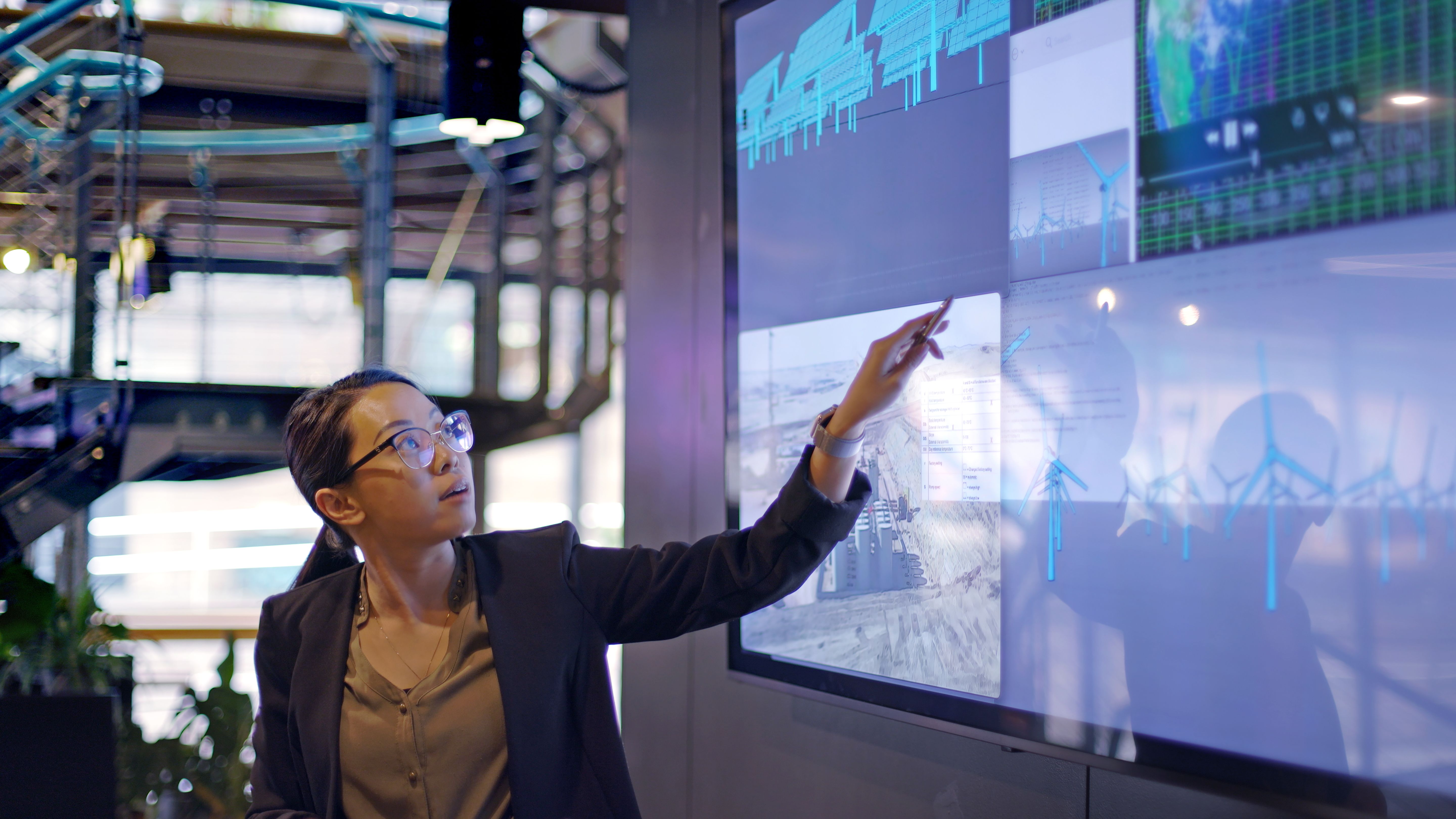
Furthermore, predictive analytics and real-time data are providing managers with the tools to anticipate challenges and opportunities. This proactive approach to management is crucial for staying ahead in a fast-paced business environment, allowing organizations to adapt and thrive in the face of uncertainty.